The Static Room
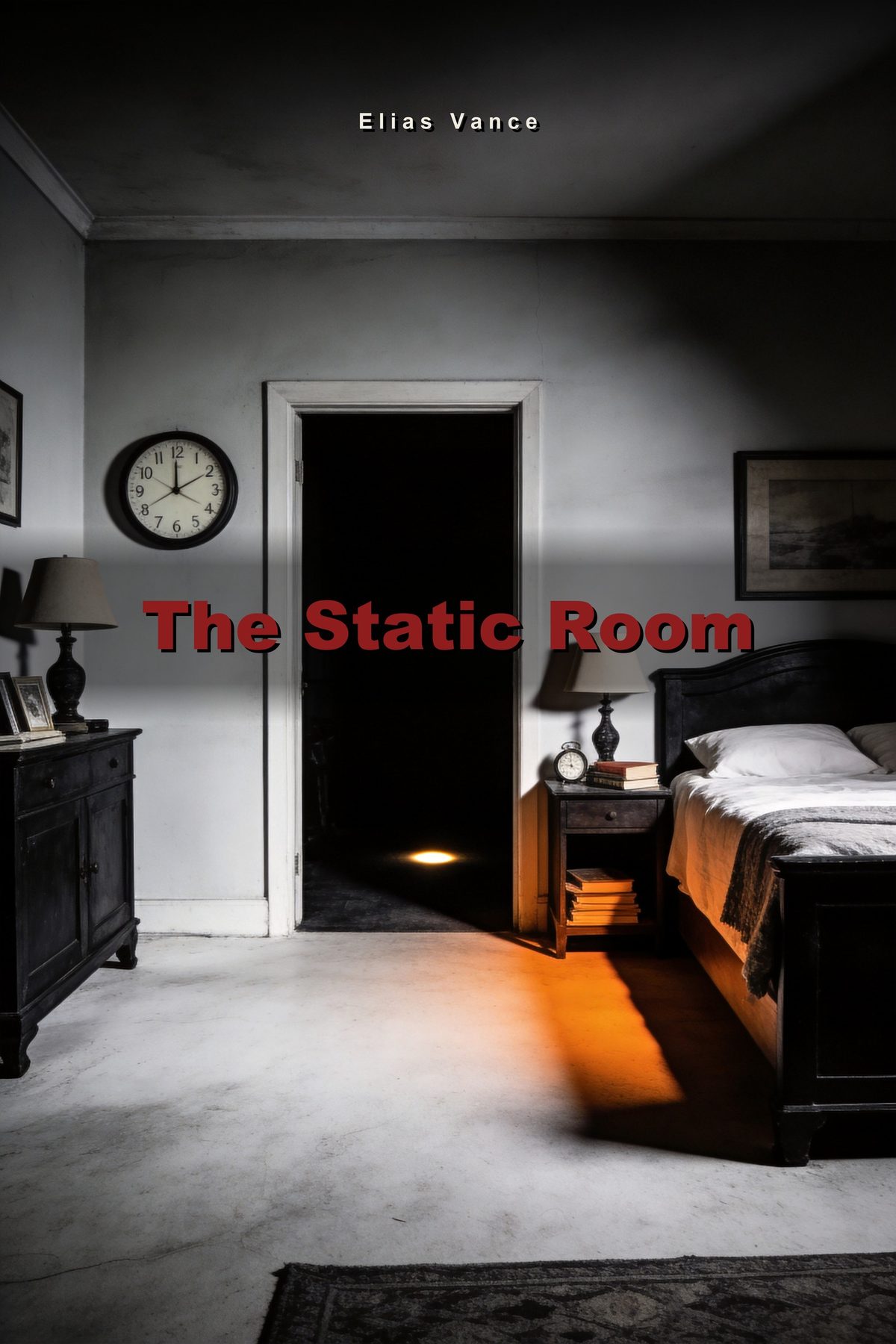
The report on my screen was due at five, but the clock in the corner read 6:47 and I was still finding things to fix in the margins. I had been at Alden Cross Logistics for six years, four months, and eleven days, and I could tell you without looking which of the three break room mugs had a hairline crack in the handle, which of the two photocopiers jammed on duplex, and which of the four conference room chairs had a wheel that stuck. These were not useful facts. They were just the things I knew.
The office was quiet the way it only got after everyone else had gone home. The fluorescent panels buzzed overhead at their usual frequency, a sound so constant I had stopped registering it years ago. The air smelled faintly of toner and the lemon-scented cleaner the night crew used on the break room counters. My desk lamp cast a warm circle over the keyboard, and outside the window the parking lot lights had come on, orange against the deepening blue of the evening.
I heard the hum for the first time that evening. It was under everything else, a second layer beneath the familiar HVAC drone that had been there since the building was new. I stopped typing and listened. It was low, almost subvocal, the kind of frequency you feel in your molars before you hear it. I waited for it to resolve into something identifiable, a truck idling on the street below, a transformer on the pole outside. It didn't.
I sat very still, my fingers resting on the keys, and let the sound move through me. It had a texture, a density, like the pressure of deep water. I found myself breathing in time with it without meaning to. Then the cursor blinked on my screen, a small white pulse, and I remembered where I was.
I turned back to the report. The cursor blinked in the empty cell where a cost code should have been. I typed the number from memory and saved the file. The hard drive clicked once, softly, and then the office was silent again except for the hum.
On my way out, I passed the photocopier. The paper tray was ajar, maybe half an inch, enough that the edge of the paper stack showed white against the gray plastic. I pushed it shut. It clicked. I took two steps toward the door, then turned back and looked at it. The tray was closed. I had closed it. The white edge of paper was gone. I stood there for a moment, listening to the hum, which seemed to be coming from everywhere and nowhere, then I shouldered my bag and left.
The elevator took an extra second to arrive. I counted. It was not a long wait. It was one second longer than it had been every other night for six years. I stood in the hallway with my bag over my shoulder and counted the seconds under my breath, and when the doors slid open I stepped inside and pressed L and watched the numbers descend. The elevator smelled like dust and someone's fading cologne. The mirrors on the walls reflected me back at myself, three versions of a woman in a gray cardigan, all of us tired, all of us watching the floor indicator with the same blank expression.
The lobby was empty. My footsteps echoed on the polished concrete. Outside, the air was warm and wet, and the parking garage smelled of exhaust and rain that hadn't fallen yet. I drove home with the radio off, listening to the sound of my tires on the road, and if the hum was still there beneath the engine noise, I told myself it was only the afterimage of a long day.
The next morning, the office was the same. I arrived at 7:52, eight minutes before my official start, the way I always did. I unlocked the door, disabled the alarm, and walked through the dark office flipping light switches in the order I always used: reception first, then the main floor, then the hallway to the conference rooms, then the kitchenette. The fluorescents clicked on one by one, each panel flickering for a moment before settling into its steady glow. The hum was there before the lights were, already waiting.
At my desk, I set down my bag and reached for my coffee mug. It was where I had left it, on the right side of the keyboard, the side I always used. But the handle was facing the wall. I always left it facing out, toward my right hand, so I could pick it up without thinking. I looked at it for a long moment, then turned it back. The ceramic was cold.
Subscribe to read the rest of “The Static Room”.
Get every story in the The Dark Threshold collection — and the entire library — for one monthly price. Cancel anytime.